
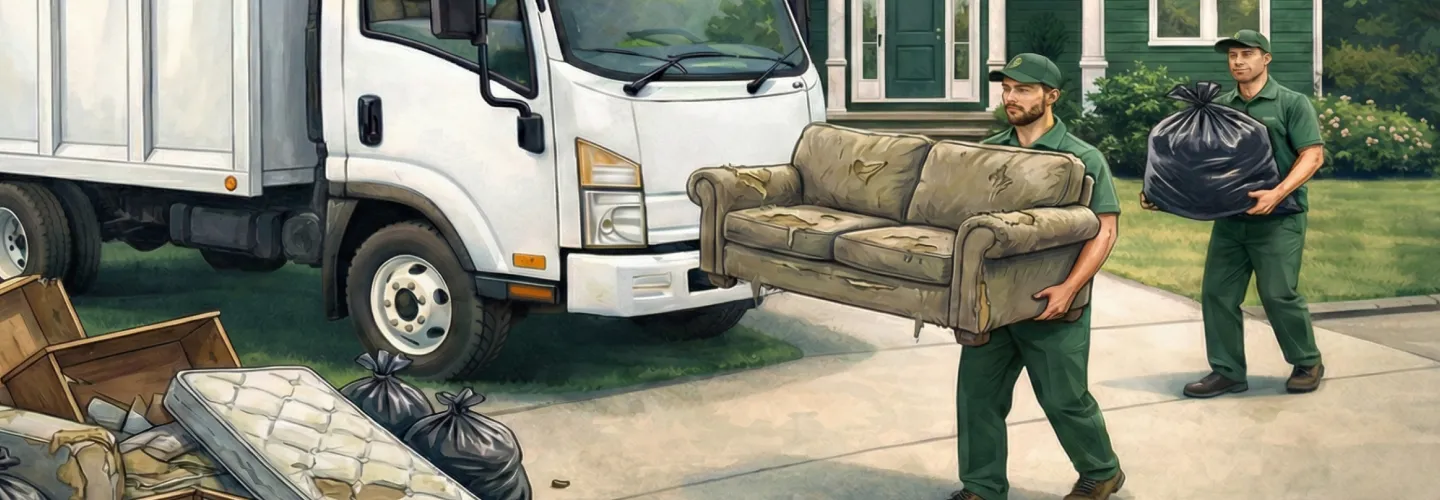
Woodstock Hoarding Cleanup Services
Choose us for hoarding cleanup because we combine professional expertise with empathy, ensuring a respectful, thorough, and judgment-free restoration of your living space.
Get a Free QuoteOur Woodstock Junk Removal Services
Hoarding Cleanup in Woodstock, GA – Local Service Guide
Hoarding cleanup in Woodstock, GA requires a sensitive, thorough approach tailored to local needs. Whether you’re in Towne Lake, Downtown Woodstock, or the Serenade neighborhood, clutter can accumulate due to life transitions, seasonal changes, or property turnover. For residential items like furniture, mattresses, or appliances, cleanouts often follow spring moves, estate transitions, or storm damage. Local donation centers and recycling programs offer responsible disposal options, while larger items—such as hot tubs or sheds—may require special equipment and weather-aware scheduling. Residential spaces like garages and basements see increased activity after heavy rains or during annual yard waste pickups, especially in flood-prone areas near Little River. Commercial properties in Woodstock’s retail and medical corridors face unique challenges, including after-hours scheduling and discreet removal to minimize business disruption. Specialty services, such as hoarding, estate, or foreclosure cleanouts, demand careful planning, coordination with property managers, and compliance with city guidelines. For more on local disposal rules and resources, visit the Woodstock Public Works Department.
Key Considerations for Hoarding Cleanup in Woodstock
- Timing cleanouts around local weather and city pickup schedules
- Securing permits for large-scale or specialty removals
- Choosing proper disposal or recycling channels for various item types
- Ensuring access for trucks and equipment in tight neighborhoods
- Estimating volume and coordinating with local services
- Addressing category-specific needs, such as hazardous materials or sensitive documents
Benefits of Hoarding Cleanup in Woodstock
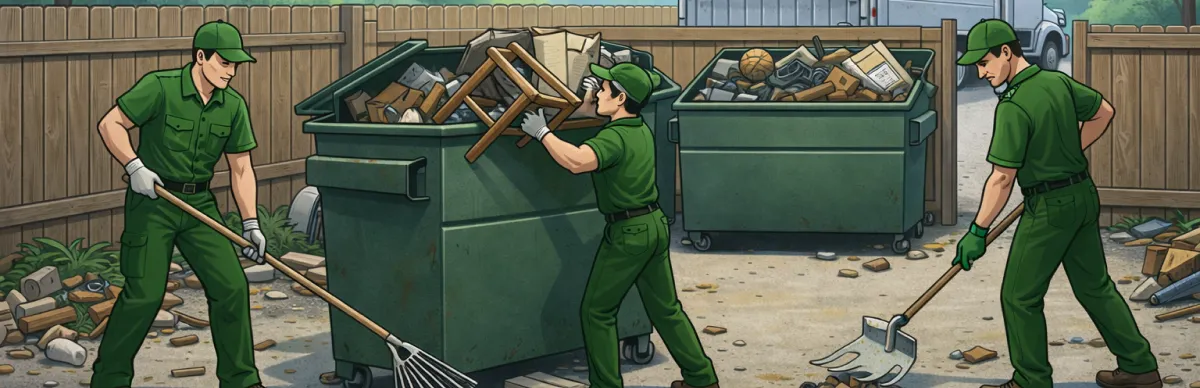
Professional and Compassionate Team
Discreet and Confidential Service
Thorough Property Restoration
Fast and Reliable Response
Safe Removal of Hazardous Materials
Customized Cleanup Solutions
Coordinating Hoarding Cleanup with Woodstock's Code Enforcement and Building Division
Hoarding situations in Woodstock often come to the attention of municipal authorities through code enforcement complaints or fire safety inspections. The Woodstock Building Division oversees building code compliance and may issue notices requiring property remediation when hoarding conditions create structural or safety hazards. Residents and property owners should understand the following regulatory considerations:
- Code violations may be issued when accumulated materials block egress routes, create fire hazards, or compromise structural integrity
- Building permits may be required if hoarding has caused damage necessitating renovation or structural repair after cleanup
- Inspection coordination with the Building Division ensures the property meets occupancy standards following remediation
- Timeframes for compliance are typically established in code enforcement notices; failure to comply may result in escalating fines or legal action
Property owners receiving code enforcement notices should contact the Building Division promptly to discuss remediation timelines and any required permits for post-cleanup restoration work.
Woodstock Building Division
12453 Highway 92, Woodstock, GA 30188
Phone: (770) 592-6000
Official Website: Woodstock Building Division
Hazardous Material Identification and Disposal Requirements During Woodstock Hoarding Remediation
Hoarding environments frequently contain hazardous materials that require specialized handling and disposal under both Georgia and federal regulations. The Georgia Environmental Protection Division (GA EPD) regulates solid and hazardous waste management statewide, and cleanup crews must properly identify and segregate dangerous materials before transport. Common hazardous items encountered during hoarding cleanup include:
- Expired chemicals and solvents such as paint thinners, pesticides, and cleaning agents, which are prohibited from regular solid waste disposal
- Biohazardous materials including animal waste, spoiled food, and bodily fluids requiring specialized containment and disposal
- Medications and sharps that must be disposed of through approved pharmaceutical take-back programs or sharps collection facilities
- Lead paint debris in pre-1978 homes, regulated under the EPA Renovation, Repair, and Painting Rule
- Asbestos-containing materials in older properties, which require licensed abatement if disturbed during cleanup
Cherokee County periodically hosts Household Hazardous Waste collection events where residents can dispose of chemicals, paints, batteries, and other prohibited materials at no cost. Contact Cherokee County Recycling for upcoming event schedules.
Georgia Environmental Protection Division
2 Martin Luther King Jr. Drive SE, Suite 1456, Atlanta, GA 30334
Phone: (404) 656-4713
Official Website: Georgia Environmental Protection Division
Woodstock Stormwater and Environmental Compliance for Hoarding Site Cleanup
Large-scale hoarding cleanup projects in Woodstock must account for environmental compliance, particularly regarding stormwater management and pollution prevention. The Woodstock Stormwater & Environmental Management division enforces regulations that protect local waterways and drainage infrastructure during debris removal activities. Key environmental compliance requirements include:
- Preventing runoff contamination by ensuring cleaning agents, biohazard residues, and chemical waste do not enter storm drains or drainage ditches
- Proper staging of debris on impervious surfaces away from stormwater inlets during sorting and loading operations
- Liquid waste containment using absorbent materials or sealed containers when removing spoiled food, chemicals, or other fluid-generating waste
- Erosion control measures if exterior hoarding conditions have affected landscaping or exposed soil on the property
Cleanup crews should avoid washing contaminated surfaces directly into outdoor drains. All wastewater generated during interior cleaning must be disposed of through sanitary sewer systems, not storm drains. The Resource Conservation and Recovery Act (RCRA) establishes federal standards for hazardous waste handling that apply to any cleanup generating regulated waste streams.
Woodstock Stormwater & Environmental Management
12453 Highway 92, Woodstock, GA 30188
Phone: (770) 592-6000
Official Website: Woodstock Stormwater & Environmental Management
Sorting, Recycling, and Landfill Diversion Strategies for Woodstock Hoarding Projects
Hoarding cleanup generates substantial volumes of mixed materials that must be sorted and directed to appropriate disposal or recycling channels. Georgia's Solid Waste Management Act (O.C.G.A. § 12-8-20) establishes the framework for solid waste handling, and Woodstock residents are encouraged to maximize landfill diversion through proper material separation. During hoarding remediation, the following sorting categories should be established:
- Recyclable materials including cardboard, paper, plastics, glass, and aluminum should be separated and transported to Cherokee County recycling facilities
- Electronics and e-waste such as televisions, computers, and monitors should not be placed in regular waste streams; designated e-waste recycling drop-off locations are available through Cherokee County
- Appliances containing refrigerants (refrigerators, air conditioners, dehumidifiers) require certified refrigerant recovery per EPA Section 608 regulations before disposal
- Donatable items in usable condition, including furniture, clothing, and household goods, should be directed to local charitable organizations such as Habitat for Humanity ReStore
- Scrap metal including shelving, bed frames, and appliances can be directed to local scrap recycling facilities for material recovery
Proper sorting reduces disposal costs and supports Woodstock's waste reduction goals.
Fire Safety Coordination with Woodstock Fire Department During Hoarding Remediation
Hoarding conditions present significant fire safety hazards, and the Woodstock Fire Department may be involved in initial property assessments or post-cleanup inspections. Accumulated materials can obstruct exits, block windows, overload electrical systems, and create fuel loads that dramatically increase fire risk. Coordination with fire safety officials is essential for the following reasons:
- Pre-cleanup fire risk assessment may identify immediate hazards such as blocked egress, overloaded circuits, or proximity of combustible materials to heat sources
- Electrical system evaluation should be conducted before cleanup begins, as hoarding conditions may have caused wiring damage or created shock hazards
- Smoke detector and fire extinguisher verification is necessary after cleanup to ensure all life safety systems are functional and accessible
- Clearance of egress routes including hallways, stairwells, and doorways must meet minimum width requirements established by fire code
- Post-cleanup inspection may be requested to verify the property meets fire safety standards before reoccupancy
Property owners should contact the Woodstock Fire Department to request a fire safety evaluation if hoarding conditions have compromised building safety systems.
Woodstock Fire Department
12453 Highway 92, Woodstock, GA 30188
Phone: (770) 592-6000
Official Website: Woodstock Fire Department
What Neighborhoods Do We Serve Throughout Woodstock, GA?
- Downtown Woodstock: Historic properties near Main Street may feature older construction with narrow hallways and limited staging areas. Hoarding cleanup in this area may require coordination with the city's historic preservation guidelines and careful navigation of pedestrian-heavy streetscapes during debris loading.
- Towne Lake: This established residential community features single-family homes with HOA oversight. Hoarding remediation may require advance HOA notification, and wide driveways generally accommodate cleanup vehicle access without street parking concerns.
- Eagle Watch: A golf course community with larger estate-style homes. Properties may have extensive square footage requiring multi-day cleanup operations, and HOA covenants may restrict visible debris staging or extended vehicle parking.
- Bradshaw Farm: A well-established neighborhood with a mix of home sizes and active community association. Cleanup crews should coordinate with HOA management regarding vehicle access, debris staging, and noise restrictions during remediation.
- Woodstock Knoll: Features a mix of older and newer single-family homes with varying lot sizes. Some properties may have limited driveway space, requiring street-side loading coordination with the Woodstock Public Works Department.
- Victoria Station: A townhome and single-family community where shared walls and closer lot spacing may require additional care during cleanup to minimize disruption to adjacent residents. Access for larger removal vehicles may be limited on interior streets.