
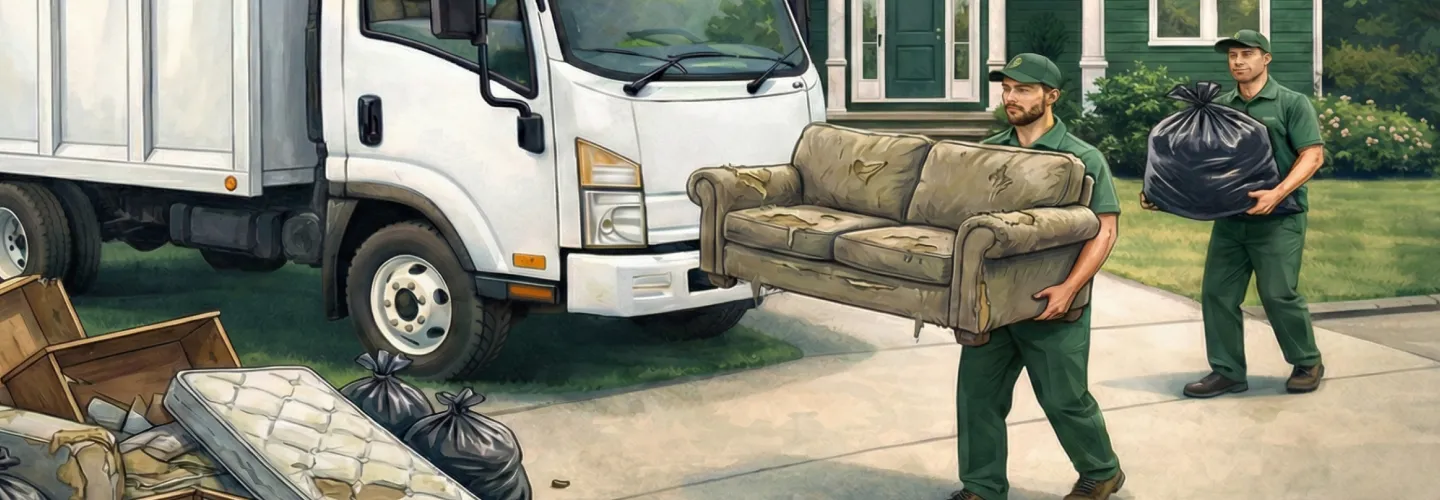
Woodstock Furniture Removal Services
Choose our furniture removal service for reliable, hassle-free pickups, eco-friendly disposal, and a team dedicated to making your move or decluttering project smooth and worry-free.
Get a Free QuoteOur Woodstock Junk Removal Services
Furniture Removal in Woodstock, GA – Local Service Guide
Furniture removal in Woodstock, GA, is a year-round need for residents and businesses, with peak demand during spring cleanouts, summer moves, and after major life events like downsizing or renovations. In neighborhoods like Towne Lake and Eagle Watch, residents often replace furniture or appliances, requiring careful planning for access—especially in homes with steep driveways or limited street parking. Local options include donation, recycling, or responsible disposal, with weather and item size influencing logistics. For residential spaces such as garages, basements, or yards, seasonal storms and yard cycles drive cleanouts, particularly in areas prone to flooding or with heavy tree coverage. Commercial clients in downtown Woodstock or along Highway 92 face unique challenges, from discreet after-hours removal for offices and restaurants to managing large volumes for property managers and construction sites. Specialty services, like estate or foreclosure cleanouts, require coordination and sensitivity, often involving multiple parties and strict timelines. For guidance on local disposal rules and resources, visit the Woodstock Public Works Department.
Key Considerations for Furniture Removal in Woodstock
- Timing around local events, weather, and neighborhood schedules
- Permit requirements for curbside or bulk pickups
- Disposal channels: donation, recycling, landfill
- Access challenges in hilly or densely built areas
- Volume and category-specific handling (e.g., appliances, hot tubs)
- Coordination for specialty or commercial projects
Benefits of Furniture Removal in Woodstock
Fast and Efficient Service
Eco-Friendly Disposal
Experienced Removal Team
Affordable Pricing Options
Safe Handling of Furniture
Flexible Scheduling
Coordinating Bulk Furniture Pickup with Woodstock's Public Works Department
Woodstock residents seeking to dispose of large furniture items should coordinate with the city's solid waste services. Cherokee County, which encompasses Woodstock, manages residential waste collection and offers bulk item pickup options for oversized household furniture such as couches, recliners, dining sets, and dressers. Residents should be aware of the following requirements when scheduling furniture removal:
- Advance scheduling is typically required; contact the waste hauler or county solid waste division before placing items curbside
- Item preparation: remove all loose cushions, drawers, and hardware; disassemble items when possible to reduce volume
- Curbside placement: items must not block sidewalks, fire hydrants, or stormwater drainage infrastructure
- Prohibited materials: furniture containing hazardous components such as mercury switches, lead paint, or chemical treatments may require separate handling
- Code compliance: furniture left curbside outside of scheduled collection windows may result in code enforcement action
Woodstock Public Works Department
12453 Highway 92, Woodstock, GA 30188
Phone: (770) 592-6000
Official Website: Woodstock Public Works Department
Residents should confirm current bulk pickup schedules and any applicable fees directly with the department, as collection frequency and item limits may vary seasonally.
Georgia's Solid Waste Management Act and Furniture Disposal Compliance
All furniture disposal activities in Woodstock must comply with the Georgia Comprehensive Solid Waste Management Act (O.C.G.A. § 12-8-20) administered by the Georgia Environmental Protection Division (GA EPD). This state law establishes the regulatory framework governing how solid waste, including discarded household and commercial furniture, must be handled, transported, and disposed of throughout the state. Key compliance considerations include:
- Illegal dumping prohibition: abandoning furniture on roadsides, vacant lots, or waterways is a violation subject to fines ranging from $1,000 to $50,000 per incident under Georgia law
- Transporter requirements: commercial haulers removing furniture must use vehicles that prevent litter and debris from escaping during transport
- Landfill acceptance: furniture must be delivered to permitted solid waste facilities; unauthorized disposal sites are prohibited
- Material separation: metal frames, wood components, and upholstery should be separated when feasible to support recycling and landfill diversion
- Stormwater protection: furniture staged outdoors for removal must not obstruct drainage systems or contribute to water quality degradation
Georgia Environmental Protection Division – Solid Waste Program
2 Martin Luther King Jr. Drive SE, Suite 1054, Atlanta, GA 30334
Phone: (404) 656-4713
Official Website: Georgia Environmental Protection Division
Compliance with these state regulations is mandatory for both residents and professional removal services operating within Woodstock's jurisdiction.
Furniture Donation and Reuse Programs Serving the Woodstock Community
Before disposing of furniture in a landfill, Woodstock residents are encouraged to explore donation and reuse options that extend the useful life of household items and reduce waste. Cherokee County and the greater metro Atlanta area offer several charitable organizations that accept gently used furniture, supporting both environmental stewardship and community welfare. Consider the following options:
- Habitat for Humanity ReStore: accepts donated furniture including sofas, tables, chairs, bed frames, and shelving units in functional condition; proceeds fund local housing construction
- Goodwill and Salvation Army: operate donation centers in the Woodstock and Canton area that accept household furniture; some locations offer pickup services for large items
- Community-based organizations: local churches and nonprofit groups may coordinate furniture drives for families in need
- Online reuse platforms: listing usable furniture on community exchange groups helps divert items from the waste stream
Donated items should be clean, structurally sound, and free of pest infestations such as bed bugs. Upholstered furniture with stains, tears, or odors is typically not accepted by donation centers. Residents should call ahead to confirm accepted items and any scheduling requirements for large furniture pickup.
Woodstock Building Division Permits for Renovation-Related Furniture Removal
When furniture removal is associated with a home renovation, remodel, or demolition project, additional regulatory requirements may apply. The Woodstock Building Division oversees construction permits and code enforcement for projects that generate significant volumes of discarded furniture and building materials. Residents and contractors should be aware of the following:
- Building permits: renovation projects that involve structural changes require permits from the Building Division before work begins; furniture removal during such projects must comply with the overall project plan
- Pre-1978 buildings: homes built before 1978 may contain lead-based paint on furniture built-ins, shelving, and cabinetry; the EPA Renovation, Repair, and Painting Rule requires certified lead-safe work practices during removal
- Debris staging: furniture and construction debris must not be stored in public rights-of-way without authorization from the city
- Noise ordinances: furniture removal activities involving power tools or heavy equipment should comply with Woodstock's noise regulations, typically restricting work to daytime hours
Woodstock Building Division
12453 Highway 92, Woodstock, GA 30188
Phone: (770) 592-6000
Official Website: Woodstock Building Division
Contractors performing furniture removal as part of larger renovation projects should also verify commercial licensing and insurance requirements with the Woodstock Community Development Department.
Stormwater and Environmental Safeguards During Furniture Removal in Woodstock
Woodstock's Stormwater and Environmental Management Division enforces regulations designed to protect local waterways and drainage infrastructure during waste removal activities. Furniture removal projects, particularly those involving multiple items or commercial-scale cleanouts, must adhere to environmental protection standards to prevent pollution of Little River, Noonday Creek, and other Cherokee County watersheds. Key environmental considerations include:
- Debris containment: loose upholstery foam, fabric scraps, and small hardware must be contained during transport to prevent litter from entering storm drains
- Fluid-containing items: furniture with hydraulic recliners or adjustable mechanisms may contain small amounts of oil or fluid that must be managed to prevent ground contamination
- Staging area protection: when furniture is staged outdoors before pickup, items should be placed on impervious surfaces away from storm drain inlets
- Prohibited disposal: dumping furniture or furniture components into ditches, streams, or stormwater conveyance systems is a violation of both city ordinances and the federal Clean Water Act
Woodstock Stormwater & Environmental Management
12453 Highway 92, Woodstock, GA 30188
Phone: (770) 592-6000
Official Website: Woodstock Stormwater & Environmental Management
Proper environmental compliance during furniture removal protects Woodstock's natural resources and helps the city meet its stormwater management obligations.
What Neighborhoods Do We Serve Throughout Woodstock, GA?
- Downtown Woodstock: The historic downtown core features a mix of older commercial buildings and residential properties along Main Street. Narrow side streets and on-street parking may require advance coordination for furniture removal truck access, and items from upper-story spaces often require stairwell navigation.
- Towne Lake: This established residential community features single-family homes with wide driveways and cul-de-sac layouts that generally accommodate removal vehicles. Estate cleanouts and downsizing projects are common, often involving large sectional sofas and bedroom suites.
- Eagle Watch: A golf course community with HOA regulations that may govern curbside staging of furniture and scheduling of removal vehicles. Residents should verify community covenants before placing items outside for pickup.
- Bradshaw Farm: This large subdivision includes homes of varying ages and sizes. Longer driveways and setbacks from the road may require crews to transport furniture greater distances from the home to the removal vehicle.
- Woodstock Downtown Arts District: Mixed-use properties in this area may involve both residential and commercial furniture removal needs. Street access can be limited during community events and weekend farmers markets; advance scheduling is recommended.
- BridgeMill: A master-planned community with wide residential streets and accessible layouts. Furniture removal from multi-story homes may require disassembly of large items to navigate interior staircases safely.