
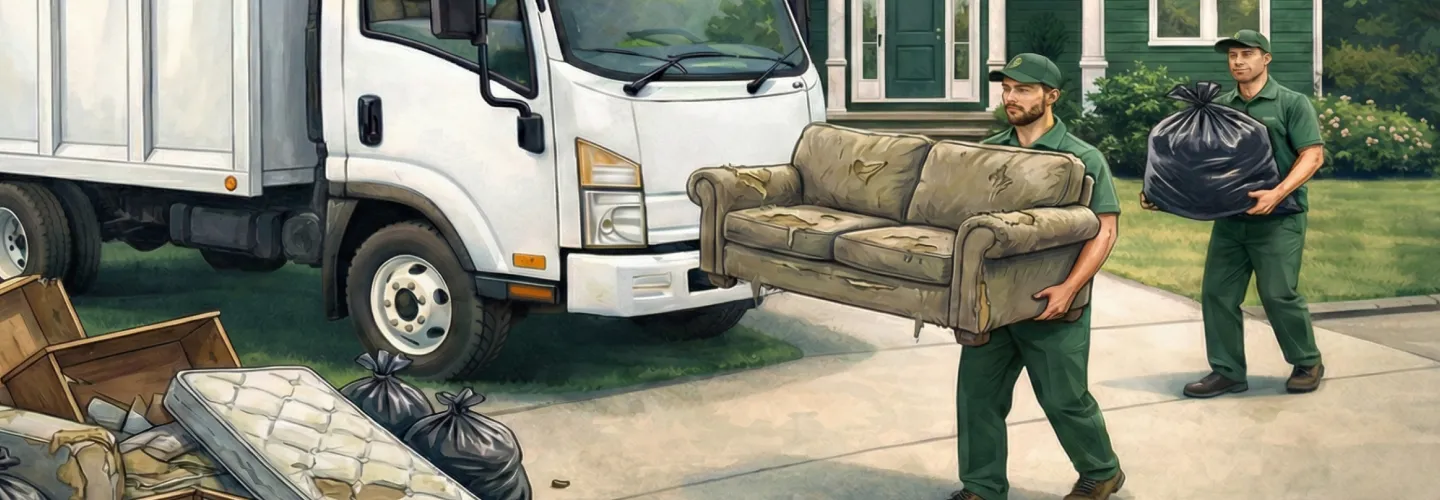
Woodstock Basement & Attic Cleaning Services
Choose our expert basement and attic cleaning for a healthier, clutter-free home—enjoy peace of mind knowing every corner is spotless, safe, and ready for your family.
Get a Free QuoteOur Woodstock Junk Removal Services
Basement & Attic Cleaning in Woodstock, GA – Local Service Guide
Basement and attic cleaning in Woodstock, GA is essential for maintaining a safe, organized home and preventing issues like mold, pests, and clutter. In neighborhoods like Towne Lake and Serenade, residents often schedule cleanouts during spring or after heavy rains to address moisture and flooding risks. Life events such as moving, renovations, or replacing large items (furniture, appliances, mattresses) also trigger the need for thorough cleaning. Local disposal options include donation centers, recycling facilities, and city-approved waste services. For residential spaces, seasonal storms and tree coverage in areas like Eagle Watch can increase debris and frequency of cleanouts. Commercial properties in downtown Woodstock and along Highway 92 require discreet, timely service to minimize business disruption, especially for offices, restaurants, and retail. Specialty cleanouts—such as for estate, foreclosure, or hoarding situations—demand careful planning and coordination, often involving multiple trips and adherence to local guidelines. For more on local disposal rules and resources, visit the Woodstock Public Works Department.
Key Considerations for Basement & Attic Cleaning in Woodstock
- Timing cleanouts around seasonal weather and local events
- Checking for required permits or special disposal rules
- Using approved disposal and recycling channels
- Ensuring easy access for removal teams (stairs, narrow entries)
- Estimating volume and category of items for proper logistics
- Coordinating with city schedules for large pickups or specialty waste
Benefits of Basement & Attic Cleaning in Woodstock
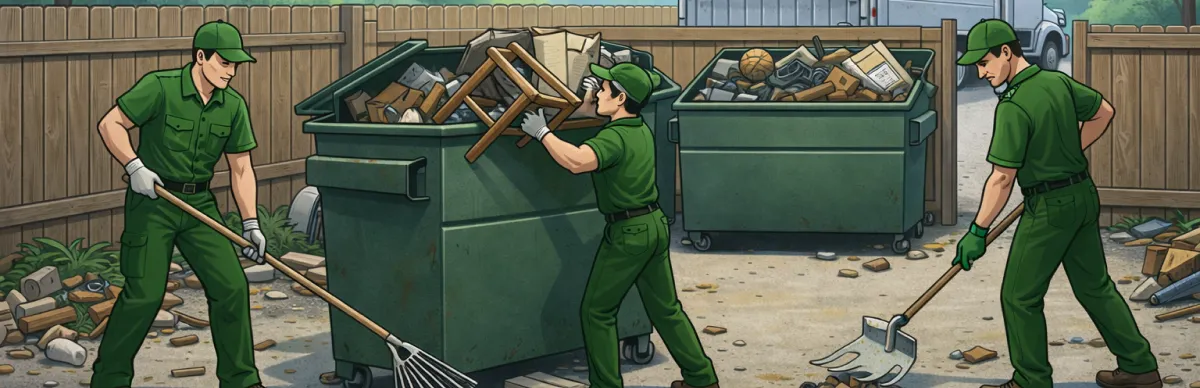
Improved Indoor Air Quality
Enhanced Home Safety
Prevention of Mold and Mildew
Increased Storage Space
Pest Infestation Control
Boosted Property Value
Coordinating Basement and Attic Cleanout Debris with Woodstock's Public Works Department
Basement and attic cleaning projects in Woodstock often generate significant volumes of accumulated household items, old furniture, broken appliances, and miscellaneous debris. Proper disposal of these materials requires coordination with municipal waste services. Woodstock residents should be aware that standard curbside collection does not typically accommodate large-volume cleanout loads. Cherokee County operates transfer station facilities where residents may self-haul bulky items and mixed debris removed from basements and attics. Before transporting materials, residents should separate recyclable items, hazardous waste, and general refuse into distinct categories.
- Bulky items such as old shelving, broken furniture, and storage containers may require special scheduling for pickup
- Electronics and appliances found in basements and attics must be separated from general waste
- Construction materials including old drywall, paneling, or insulation require separate disposal streams
- Contact the Woodstock Public Works Department for guidance on approved haulers and disposal procedures
Woodstock Public Works Department
12453 Highway 92, Woodstock, GA 30188
Phone: (770) 592-6000
Official Website: Woodstock Public Works Department
Hazardous Materials Commonly Found During Woodstock Basement and Attic Cleanouts
Basements and attics in Woodstock homes—particularly those built before 1978—may contain hazardous materials that require specialized handling. Old paint cans, pesticides, solvents, automotive fluids, and cleaning chemicals are frequently discovered during cleanout projects. These items are classified as household hazardous waste (HHW) and are prohibited from regular trash collection and landfill disposal under Georgia's Solid Waste Management Act (O.C.G.A. § 12-8-20). Homes constructed before 1978 may also have lead-based paint on stored items or structural surfaces, requiring compliance with the EPA Renovation, Repair, and Painting Rule. Older attic insulation may contain vermiculite or asbestos-containing materials, which demand licensed abatement professionals.
- Paint and solvents: Must be disposed of through Cherokee County HHW collection events; never place in curbside trash
- Lead-based paint debris: Requires lead-safe work practices and certified contractor handling in pre-1978 structures
- Asbestos-containing insulation: Requires professional testing and licensed removal; contact the Georgia Environmental Protection Division for abatement requirements
- Batteries and fluorescent bulbs: Contain mercury and heavy metals; recycle through designated drop-off programs
- Propane tanks and aerosol cans: Prohibited from landfill disposal due to explosion risk
Georgia Environmental Protection Division (GA EPD)
2 Martin Luther King Jr. Drive SE, Suite 1456, Atlanta, GA 30334
Phone: (404) 656-4713
Official Website: Georgia Environmental Protection Division
Woodstock Building Permits and Code Compliance for Structural Basement and Attic Work
Basement and attic cleaning projects in Woodstock may uncover structural issues, water damage, mold growth, or code violations that require permits before remediation can proceed. If cleanout work involves removing built-in shelving, modifying electrical wiring, addressing plumbing, or altering structural elements, a building permit from the Woodstock Building Division is typically required. Mold remediation discovered during cleaning may also trigger code enforcement review, particularly if the affected area exceeds 10 square feet. Woodstock's Community Development Department oversees building inspections and can advise on permit requirements for renovation-related debris removal.
- Building permits are required when cleanout work involves structural modifications, electrical changes, or plumbing alterations
- Code enforcement may be triggered if inspectors identify health or safety hazards during or after cleanout
- Mold remediation in areas exceeding 10 square feet should involve professional assessment and may require permits
- Demolition debris from interior teardowns must be disposed of at approved facilities; separation of wood, metal, and drywall is recommended
- Submit permit applications through the Woodstock Building Division before beginning any structural work
Woodstock Building Division
12453 Highway 92, Woodstock, GA 30188
Phone: (770) 592-6000
Official Website: Woodstock Building Division
Recycling and Donation Options for Salvageable Items from Woodstock Attic and Basement Cleanouts
Basement and attic cleanouts in Woodstock frequently yield items that remain functional and suitable for donation or recycling rather than landfill disposal. Furniture, clothing, household goods, sporting equipment, and seasonal decorations stored in these spaces can often be redirected to local charitable organizations. Cherokee County and the greater Woodstock area are served by several donation centers that accept gently used household items. Electronics such as old computers, monitors, and televisions found in storage areas must not be placed in regular trash; Georgia does not currently have a statewide e-waste landfill ban, but responsible recycling is strongly encouraged through county-sponsored collection events and certified e-waste recyclers.
- Habitat for Humanity ReStore accepts furniture, building materials, and household goods for resale
- Goodwill and Salvation Army locations in the Woodstock area accept clothing, small appliances, and household items
- Scrap metal including old shelving brackets, tools, and metal fixtures can be taken to local scrap yards for recycling
- Appliances with refrigerants (old basement freezers, dehumidifiers) require certified refrigerant recovery per EPA Section 608 regulations before disposal
- Mattresses and box springs found in storage should be taken to facilities that accept them, as they are not collected through standard curbside service
Stormwater and Environmental Protections During Woodstock Basement Cleanout Projects
Basement cleaning projects in Woodstock may involve water-damaged materials, mold-affected debris, or sediment that must be handled in compliance with local stormwater and environmental regulations. The Woodstock Stormwater & Environmental Management division enforces measures to prevent pollutants from entering the city's storm drain system and local waterways, including Noonday Creek and Little River. Debris, sediment, and contaminated water from basement cleanouts must not be discharged into storm drains, gutters, or surface waterways. Proper containment and disposal of water-damaged materials is essential to maintaining compliance with federal Clean Water Act requirements and local municipal separate storm sewer system (MS4) permit obligations.
- Contaminated water from flooded basements must be pumped and disposed of through sanitary sewer connections, not storm drains
- Mold-affected drywall and insulation should be bagged in heavy-duty plastic before transport to prevent airborne spore release
- Sediment and debris must be contained on-site and not allowed to wash into street gutters or drainage channels
- Chemical residues from stored paints, cleaners, or automotive products must be collected and taken to HHW collection events
- Contact the Woodstock Stormwater division for guidance on proper containment during large-scale basement water damage cleanouts
Woodstock Stormwater & Environmental Management
12453 Highway 92, Woodstock, GA 30188
Phone: (770) 592-6000
Official Website: Woodstock Stormwater & Environmental Management
What Neighborhoods Do We Serve Throughout Woodstock, GA?
- Downtown Woodstock: Older homes near the historic downtown core may feature original basements with narrow stairwells and low ceiling clearances. Properties in this area may fall within historic overlay districts, requiring coordination with the Woodstock Planning & Zoning division before exterior modifications related to cleanout access.
- Towne Lake: This established subdivision features larger single-family homes with full basements and walk-up attics commonly used for long-term storage. Wide driveways and cul-de-sac streets generally allow adequate truck access for debris removal.
- Eagle Watch: Homes in this golf course community often include finished basements with built-in storage areas. HOA regulations may govern debris staging on driveways and scheduling of removal vehicles within the community.
- Bradshaw Farm: A family-oriented neighborhood with homes that frequently have unfinished attic spaces used for seasonal storage. Cleanout projects here commonly involve furniture, holiday decorations, and children's items suitable for donation.
- Woodstock Downtown Arts District: Mixed-use properties in this area may have commercial basement spaces requiring coordination with business tenants and compliance with commercial waste hauling regulations for cleanout debris.
- BridgeMill: Newer construction homes in this large community typically feature conditioned attic spaces and daylight basements. HOA approval may be required for extended cleanout projects involving multiple days of debris staging or truck access.