

Woodstock Construction Debris Removal Services
Choose our construction debris removal for prompt, professional service that keeps your site safe, organized, and ready for the next phase—saving you time and hassle.
Get a Free QuoteOur Woodstock Junk Removal Services
Construction Debris Removal in Woodstock, GA – Local Service Guide
Construction debris removal in Woodstock, GA, is essential for keeping homes and businesses safe, clean, and compliant with local regulations. In neighborhoods like Towne Lake and Downtown Woodstock, residents often need debris removal after home renovations, appliance upgrades, or seasonal cleanouts. Items such as old furniture, mattresses, and appliances are commonly replaced during spring and fall, while electronics and scrap metal accumulate during move-ins or estate transitions. Local disposal options include donation, recycling, or city-approved disposal, with logistics influenced by driveway access, weather, and item size.
For residential spaces like garages, basements, and yards, cleanouts are frequent after storms or during yard maintenance cycles, especially in areas with heavy tree coverage or near Little River. Commercial properties in Woodstock’s retail and office districts require timely, discreet debris removal to minimize business disruption, with larger volumes typical for construction, hospitality, and property management sectors. Specialty services—such as dumpster rentals or estate cleanouts—are often needed for foreclosures, hoarding, or major renovations, requiring careful planning and coordination with local guidelines. For more on local rules and resources, visit the Woodstock Public Works Department.
Key Considerations for Construction Debris Removal in Woodstock
- Timing projects around local weather and seasonal events
- Securing necessary permits for large-scale removals
- Using approved disposal and recycling channels
- Ensuring easy access for removal vehicles and crews
- Accurately estimating debris volume for proper service selection
- Coordinating with city schedules and category-specific requirements
Benefits of Construction Debris Removal in Woodstock
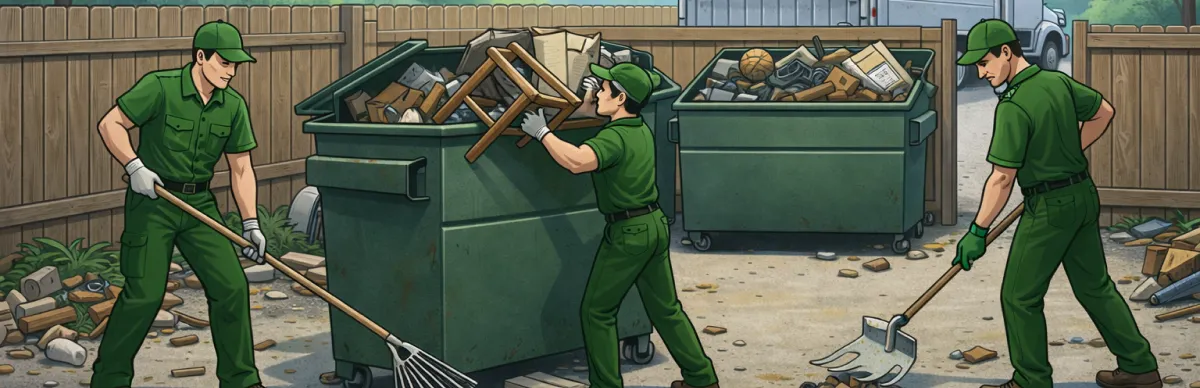
Fast Debris Cleanup
Safe Job Site Practices
Eco-Friendly Disposal
Licensed and Insured Team
Flexible Scheduling Options
Competitive Local Pricing
Coordinating Construction Debris Disposal with Woodstock's Building Division and Public Works Department
Construction and demolition projects in Woodstock generate significant volumes of debris requiring proper coordination with municipal departments. The Woodstock Building Division oversees building permits, plan reviews, and code enforcement for renovation and demolition activities. Before initiating any project that produces construction waste, property owners and contractors should confirm permit requirements and waste management expectations with the city.
- Building permits are required for most demolition, renovation, and structural modification projects generating debris
- Waste management plans may be requested as part of the permit review process for larger projects
- Code enforcement can issue violations for improper debris storage or disposal on residential and commercial properties
- Construction debris must not be placed in public rights-of-way without prior authorization from the city
- Contractors should maintain documentation of proper disposal for all removed materials
Woodstock Building Division
12453 Highway 92, Woodstock, GA 30188
Phone: (770) 592-6018
Official Website: Woodstock Building Division
The Woodstock Public Works Department manages infrastructure and street maintenance, making it a key contact for projects involving debris hauling on city roads.
Georgia's Solid Waste Management Act and Construction Debris Classification Requirements
Georgia regulates construction and demolition waste under the Georgia Comprehensive Solid Waste Management Act (O.C.G.A. § 12-8-20) administered by the Georgia Environmental Protection Division (GA EPD). This legislation establishes classifications for construction and demolition (C&D) debris and sets standards for facilities that accept such materials. Understanding these classifications is essential for Woodstock residents and contractors managing renovation or demolition waste.
- Construction and demolition debris includes lumber, drywall, roofing materials, concrete, brick, metal, glass, and plumbing fixtures
- Inert waste such as concrete, asphalt, brick, and block may be disposed of at permitted inert waste landfills, which have different regulatory requirements than municipal solid waste landfills
- Hazardous materials including asbestos, lead-based paint, and chemical solvents are prohibited from C&D landfills and require specialized handling
- Georgia requires C&D waste haulers to transport materials only to permitted disposal or recycling facilities
- Illegal dumping of construction debris carries penalties including fines and potential criminal charges under Georgia law
Georgia Environmental Protection Division
2 Martin Luther King Jr. Drive SE, Suite 1456, Atlanta, GA 30334
Phone: (404) 656-4713
Official Website: Georgia Environmental Protection Division
Material Sorting and Separation Practices for Woodstock Construction Debris Projects
Proper sorting and separation of construction debris at the project site is critical for regulatory compliance and environmental stewardship in Woodstock. The Woodstock Stormwater & Environmental Management division enforces environmental protections that directly affect how construction waste is managed on-site, particularly regarding stormwater runoff and pollution prevention.
- Concrete, brick, and masonry should be separated for recycling at permitted inert waste facilities; these materials can often be crushed and reused as aggregate
- Scrap metal including rebar, copper piping, aluminum siding, and steel framing should be segregated for recycling at scrap metal facilities
- Wood and lumber free of paint, stain, or chemical treatment may be accepted at wood recycling or mulching operations
- Treated or painted wood requires disposal at a permitted solid waste landfill due to potential chemical contamination
- Drywall and gypsum board should be kept dry and separated, as some facilities accept clean drywall for recycling
- Roofing shingles (asphalt) may be recyclable at specialized facilities that process them into road paving material
Contractors working in Woodstock should implement on-site separation bins or designated staging areas to facilitate proper material sorting before transport to disposal or recycling facilities.
Hazardous Material Handling and Asbestos Compliance for Woodstock Demolition Projects
Demolition and renovation projects in Woodstock, particularly in structures built before 1980, may encounter hazardous materials requiring specialized handling. Federal and state regulations impose strict requirements for the identification, removal, and disposal of these materials. The EPA Renovation, Repair, and Painting Rule mandates lead-safe work practices in pre-1978 buildings, and Georgia follows federal asbestos National Emission Standards for Hazardous Air Pollutants (NESHAP) regulations.
- Asbestos-containing materials (floor tiles, insulation, pipe wrap, popcorn ceilings) require a certified asbestos inspector survey before demolition begins
- Lead-based paint in pre-1978 structures must be handled by EPA-certified renovators using lead-safe work practices
- Refrigerant-containing appliances removed during renovation require EPA Section 608 compliant refrigerant recovery by certified technicians before disposal
- Chemical solvents, paints, and adhesives found on construction sites are classified as hazardous waste and must be disposed of through Cherokee County's household hazardous waste collection programs
- Failure to comply with asbestos NESHAP regulations can result in federal penalties exceeding $50,000 per violation per day
Woodstock Stormwater & Environmental Management
12453 Highway 92, Woodstock, GA 30188
Phone: (770) 592-6018
Official Website: Woodstock Stormwater & Environmental Management
EPA Region 4 (Southeast)
61 Forsyth Street SW, Atlanta, GA 30303
Phone: (404) 562-9900
Official Website: EPA Region 4
Stormwater Protection and Site Management During Woodstock Construction Debris Removal
Construction debris removal activities in Woodstock must comply with stormwater management regulations to prevent sediment, pollutants, and debris from entering the city's drainage infrastructure and waterways. The Woodstock Engineering Division and Stormwater & Environmental Management division enforce erosion and sediment control requirements on construction and demolition sites.
- Silt fencing and erosion control measures must remain in place during debris removal operations on active construction sites
- Debris staging areas should be located away from storm drains, creeks, and drainage channels to prevent material migration during rain events
- Concrete washout and masonry dust must be contained and cannot be discharged into storm drains or waterways
- Loose materials such as sawdust, insulation fibers, and packaging must be secured or covered to prevent wind dispersal
- Georgia's General Permit for Construction Activity requires a Stormwater Pollution Prevention Plan (SWPPP) for land-disturbing activities exceeding one acre
- Daily site cleanup and proper debris containment are essential to maintaining compliance with Woodstock's municipal stormwater ordinances
Woodstock Engineering Division
12453 Highway 92, Woodstock, GA 30188
Phone: (770) 592-6018
Official Website: Woodstock Engineering Division
What Neighborhoods Do We Serve Throughout Woodstock, GA?
- Downtown Woodstock: The historic downtown core features mixed-use buildings and older commercial structures where renovation projects may encounter asbestos or lead-based paint. Narrow streets and on-street parking can limit truck access for debris hauling, requiring advance coordination with the city.
- Towne Lake: This large master-planned community includes single-family homes with wide driveways and accessible cul-de-sacs. HOA regulations may govern debris staging, on-site storage duration, and contractor vehicle parking during renovation projects.
- Eagle Watch: A golf course community with established homes that may require renovation debris removal for kitchen and bathroom remodels. Gated entry and HOA approval processes should be confirmed before scheduling debris hauling equipment.
- Bradshaw Farm: This neighborhood features homes dating to the 1990s and early 2000s, with ongoing renovation activity. Residential streets accommodate standard hauling vehicles, though contractors should verify any community-specific waste management restrictions.
- Woodstock Downtown Arts District: Adaptive reuse and commercial renovation projects in this area generate diverse construction debris including brick, plaster, and vintage fixtures. Proximity to pedestrian areas requires careful debris containment and scheduling around public events.
- BridgeMill: A large residential community in the Woodstock area with homes of varying ages. Active new construction and renovation projects benefit from accessible road networks, though builders must comply with community covenants regarding debris management and site cleanliness.