
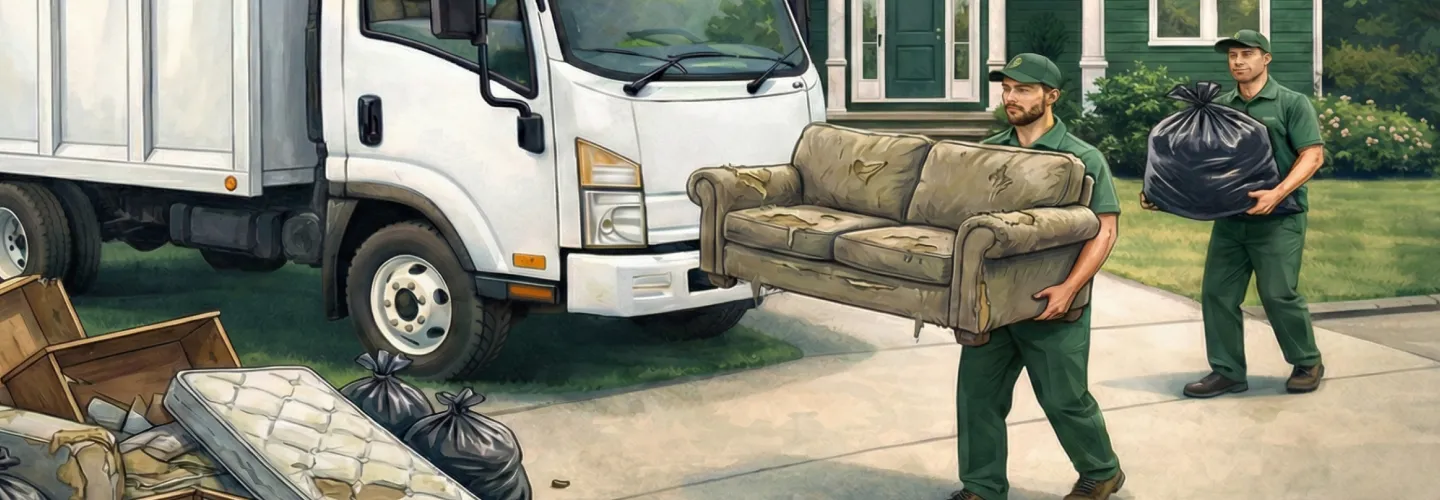
Woodstock Hospitality Junk Removal Services
Choose our Hospitality Junk Removal for prompt, professional service that keeps your hotel, restaurant, or venue spotless and welcoming—so you can focus on your guests while we handle the mess.
Get a Free QuoteOur Woodstock Junk Removal Services
Hospitality Junk Removal in Woodstock, GA – Local Service Guide
Hospitality junk removal in Woodstock, GA, requires a tailored approach to meet the unique needs of local residents and businesses. In neighborhoods like Towne Lake and Downtown Woodstock, residents often schedule removal of furniture, mattresses, or appliances during seasonal cleanouts, home renovations, or after major life events. Items such as hot tubs, sheds, and pianos may require special handling due to size or access challenges, especially during rainy spring months or in areas with dense tree coverage. Many opt to donate or recycle usable items, while others rely on city-approved disposal services.
For residential spaces like garages, basements, and yards, cleanouts are common after storms or during fall leaf cycles, particularly in flood-prone zones near Little River. Commercial clients in areas like The Outlet Shoppes at Atlanta or along Highway 92 often need discreet, timely removal for hospitality, restaurant, or retail operations, with volume and scheduling tailored to business hours. Specialty services—such as dumpster rentals or estate cleanouts—are frequently coordinated for construction projects or property transitions, requiring careful planning and compliance with local guidelines. For more on Woodstock’s disposal rules and resources, visit the Woodstock Public Works Department.
Key Considerations for Hospitality Junk Removal in Woodstock
- Timing around seasonal events and weather
- Permit requirements for large or specialty items
- Approved disposal and recycling channels
- Access challenges in older neighborhoods or tight spaces
- Volume and frequency based on property or business type
- Coordination with city schedules and local regulations
Benefits of Hospitality Junk Removal in Woodstock
Fast Turnaround Times
Discreet and Professional Service
Eco-Friendly Disposal Solutions
Flexible Scheduling Options
Licensed and Insured Team
Comprehensive Cleanout Services
Coordinating Hospitality Waste Disposal with Woodstock's Public Works Department
Hotels, restaurants, and event venues in Woodstock generate substantial volumes of waste during renovations, closures, and routine equipment turnover. Coordinating hospitality junk removal with the city's municipal infrastructure is essential for regulatory compliance. Woodstock's Public Works Department oversees infrastructure services including stormwater management and street maintenance, which directly affects how removal vehicles access commercial properties. Hospitality operators should be aware of the following municipal coordination requirements:
- Commercial waste haulers must maintain valid business licenses through the City of Woodstock before operating within city limits
- Street access for removal trucks may require advance coordination with Public Works to avoid conflicts with road maintenance or utility projects
- Stormwater compliance requires that debris removal activities do not discharge pollutants into storm drains or waterways
- Noise ordinances restrict heavy truck operations and loading activities during early morning and late evening hours in commercial zones
Waste generated from hospitality cleanouts—including kitchen equipment, banquet furniture, bedding, and fixtures—must be transported to authorized disposal facilities in Cherokee County. The Woodstock Stormwater & Environmental Management division enforces pollution prevention measures that apply to all commercial waste handling activities.
Woodstock Public Works Department
12453 Highway 92, Woodstock, GA 30188
Phone: (770) 592-6000
Official Website: Woodstock Public Works Department
Woodstock Building Permits and Code Compliance for Hospitality Renovation Debris
Hospitality properties undergoing renovation or interior demolition in Woodstock must obtain appropriate building permits before generating construction and demolition debris. The Woodstock Building Division administers permits, plan reviews, and inspections for both residential and commercial projects. Hospitality junk removal involving structural modifications—such as removing built-in cabinetry, wall partitions, flooring, or plumbing fixtures—typically triggers permit requirements. Key compliance considerations include:
- Building permits are required for any renovation that alters structural, electrical, mechanical, or plumbing systems within a hospitality facility
- Demolition debris including drywall, carpet, tile, and wood framing must be separated from general waste where required by the disposal facility
- Pre-1978 buildings may contain lead-based paint or asbestos-containing materials; the EPA Renovation, Repair, and Painting Rule mandates lead-safe work practices and certified contractor involvement
- Inspection scheduling must be coordinated with the Building Division to verify code compliance before and after removal activities
- Fire code clearances require that debris staging areas do not block emergency exits, fire suppression equipment, or sprinkler access
Hospitality operators should submit permit applications well in advance of planned cleanout or renovation projects to avoid delays and potential code violations.
Woodstock Building Division
12453 Highway 92, Woodstock, GA 30188
Phone: (770) 592-6000
Official Website: Woodstock Building Division
Georgia's Solid Waste Management Act and Hospitality Disposal Requirements
Georgia's solid waste regulations, administered by the Georgia Environmental Protection Division (GA EPD), establish the framework governing how hospitality waste must be handled, transported, and disposed of throughout the state. The Georgia Comprehensive Solid Waste Management Act (O.C.G.A. § 12-8-20 et seq.) requires all solid waste to be delivered to permitted facilities and prohibits illegal dumping. Hospitality junk removal operations must comply with the following state-level requirements:
- Permitted disposal facilities: All waste must be transported to facilities holding valid Georgia EPD solid waste handling permits
- Hazardous waste prohibition: Cleaning chemicals, solvents, refrigerants, fluorescent lamps, and batteries commonly found in hospitality settings are classified as hazardous and cannot be disposed of in municipal solid waste landfills
- Appliance refrigerant recovery: Commercial refrigerators, freezers, and HVAC units must have refrigerants recovered by certified technicians per EPA Section 608 regulations before disposal
- Tire disposal: Tires from hospitality shuttle vehicles or maintenance equipment are subject to Georgia's scrap tire management rules and must be delivered to permitted tire processors
- Waste transporter requirements: Companies hauling solid waste commercially in Georgia must comply with GA EPD registration and vehicle identification requirements
Cherokee County, where Woodstock is located, participates in regional solid waste planning that establishes disposal capacity and diversion goals for all commercial generators, including hospitality businesses.
Georgia Environmental Protection Division
2 Martin Luther King Jr. Drive SE, Suite 1456 East, Atlanta, GA 30334
Phone: (404) 656-4713
Official Website: Georgia Environmental Protection Division
Recycling and Material Recovery Options for Woodstock Hospitality Cleanouts
Hospitality junk removal projects in Woodstock frequently involve materials with significant recycling and reuse potential. Hotels, restaurants, and conference centers generate large quantities of furniture, kitchen equipment, electronics, textiles, and scrap metal during renovations and closures. Diverting these materials from landfills supports Cherokee County's waste reduction goals and may reduce disposal costs. Key recycling and recovery considerations include:
- Scrap metal: Commercial kitchen equipment, shelving, bed frames, and HVAC components contain recoverable ferrous and non-ferrous metals accepted at local scrap yards
- Electronics and e-waste: Point-of-sale systems, televisions, computers, and networking equipment should be recycled through certified e-waste processors; Georgia does not currently have a statewide e-waste landfill ban, but responsible recycling is strongly encouraged
- Furniture and fixtures: Usable banquet chairs, tables, dressers, and lobby furniture may be donated to charitable organizations; Habitat for Humanity ReStore locations in the greater metro Atlanta area accept commercial furniture donations
- Mattresses and bedding: Hotel mattresses can be recycled through specialized mattress recycling facilities; Georgia does not have a mattress EPR program, so disposal fees typically apply at the receiving facility
- Cooking oil and grease: Restaurant grease traps and used cooking oil must be collected by licensed haulers for recycling or proper disposal, not discharged into the municipal sewer system
The Woodstock Stormwater & Environmental Management program provides guidance on preventing environmental contamination during material staging and removal activities.
Safety and Hazardous Material Handling for Woodstock Hospitality Removal Projects
Hospitality junk removal presents unique safety challenges due to the variety of materials encountered in hotels, restaurants, and event facilities. Removal crews working in Woodstock must adhere to federal OSHA standards and Georgia workplace safety regulations to protect workers and property occupants. Common hazards in hospitality cleanouts include:
- Heavy equipment: Commercial ovens, walk-in cooler panels, and industrial dishwashers require mechanical lifting equipment and trained operators; items exceeding 50 pounds should not be manually lifted without assistance per OSHA ergonomic guidelines
- Chemical hazards: Cleaning supply storage areas may contain bleach, ammonia, degreasers, and other hazardous chemicals that require proper packaging and disposal through Cherokee County's household hazardous waste collection events
- Asbestos-containing materials: Older hospitality buildings in Woodstock constructed before 1980 may contain asbestos in floor tiles, pipe insulation, or ceiling materials; a licensed asbestos inspector must conduct a survey before demolition or removal activities disturb suspect materials
- Biological hazards: Pest-infested furniture, water-damaged materials, and mold-contaminated items require appropriate personal protective equipment and containment procedures
- Electrical disconnection: All appliances and hardwired equipment must be properly disconnected by a licensed electrician before removal
The Woodstock Fire Department should be consulted regarding fire safety protocols when removing equipment connected to fire suppression or alarm systems in commercial hospitality buildings.
Woodstock Fire Department
12453 Highway 92, Woodstock, GA 30188
Phone: (770) 592-6000
Official Website: Woodstock Fire Department
What Neighborhoods Do We Serve Throughout Woodstock, GA?
- Downtown Woodstock: The historic downtown district features mixed-use commercial buildings housing restaurants, boutique hotels, and event venues. Narrow streetscapes and on-street parking may require advance coordination with the city for loading zone access during large hospitality cleanouts.
- Towne Lake: This established residential and commercial area includes hotels and restaurants along the Highway 92 corridor. Wide commercial driveways and dedicated parking lots generally allow straightforward truck access for hospitality removal projects.
- Eagle Watch: A golf course community with clubhouse and hospitality facilities that may require periodic equipment turnover. HOA regulations and gated entry necessitate advance scheduling and property management coordination for removal vehicles.
- Bridgemill: A large master-planned community with commercial amenities including restaurants and retail. Access through community gates and residential streets requires smaller vehicles and awareness of community noise and traffic guidelines.
- Woodstock Downtown Arts District: Event spaces and creative venues in this area generate unique waste streams including stage equipment, décor materials, and temporary fixtures. Building age varies, and older structures may present narrow doorway and stairwell access challenges.
- Highway 92 Commercial Corridor: This major commercial strip contains numerous hotels, chain restaurants, and conference facilities. High-traffic conditions during business hours may necessitate early morning or weekend scheduling for large-scale hospitality junk removal operations.
- Prominence Point and Ridgewalk: Newer mixed-use developments with modern hospitality tenants benefit from wider loading areas and service entrances, though coordination with property management companies is typically required for access to shared commercial spaces.