
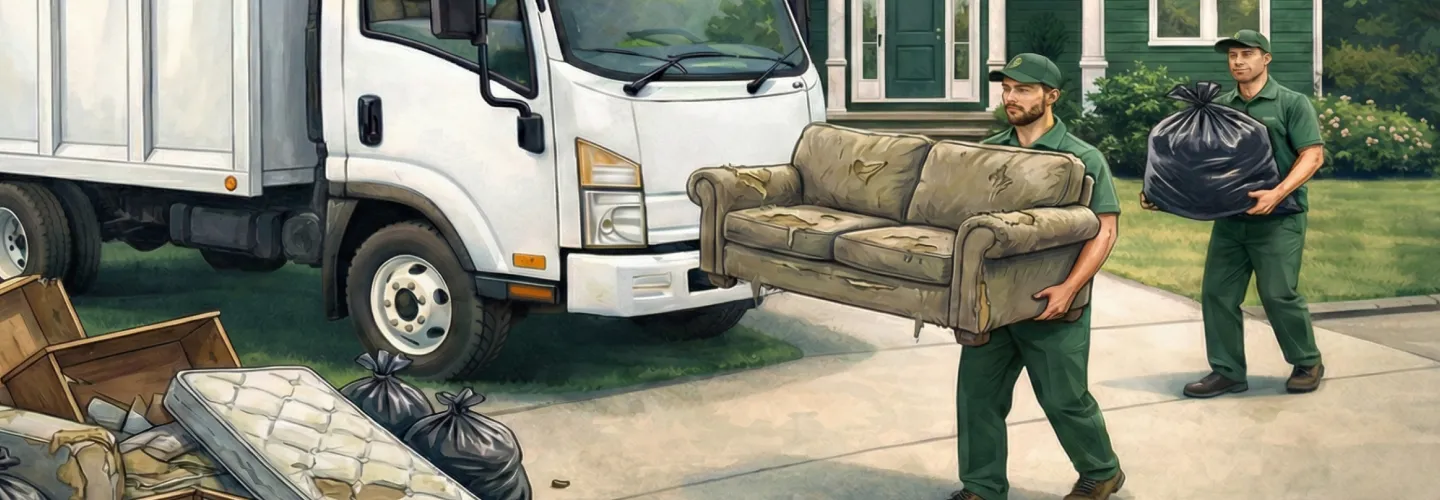
Woodstock Restaurants Junk Removal Services
Choose our Restaurants Junk Removal for prompt, discreet, and eco-friendly service that keeps your dining space clean, compliant, and welcoming for every guest.
Get a Free QuoteOur Woodstock Junk Removal Services
Restaurants Junk Removal in Woodstock, GA – Local Service Guide
Restaurants in Woodstock, GA, from bustling Downtown to the vibrant Ridgewalk area, face unique junk removal needs. Whether it’s clearing out old kitchen equipment, replacing dining furniture, or managing post-renovation debris, local eateries require timely, discreet, and efficient solutions. Seasonal menu changes, health inspections, and high customer turnover often trigger the need for swift junk removal. In neighborhoods like Towne Lake, access and parking logistics can impact scheduling, while weather events may necessitate urgent cleanouts. Woodstock’s commercial districts demand adherence to local disposal regulations and coordination with city services for large-volume pickups. For specialty needs—such as construction debris after a remodel or handling bulky appliances—planning and compliance with city guidelines are essential. Restaurants benefit from working with providers familiar with Woodstock’s operational rhythms and local resources, ensuring minimal disruption and responsible disposal. For more on local rules and resources, visit the Woodstock Public Works Department.
Key Considerations for Restaurants Junk Removal in Woodstock
- Timing around peak service hours and health inspections
- Permits for large or hazardous item disposal
- Approved disposal and recycling channels
- Access challenges in Downtown and Towne Lake
- Volume management for kitchen and dining area cleanouts
- Coordination with city schedules and local providers
Benefits of Restaurants Junk Removal in Woodstock
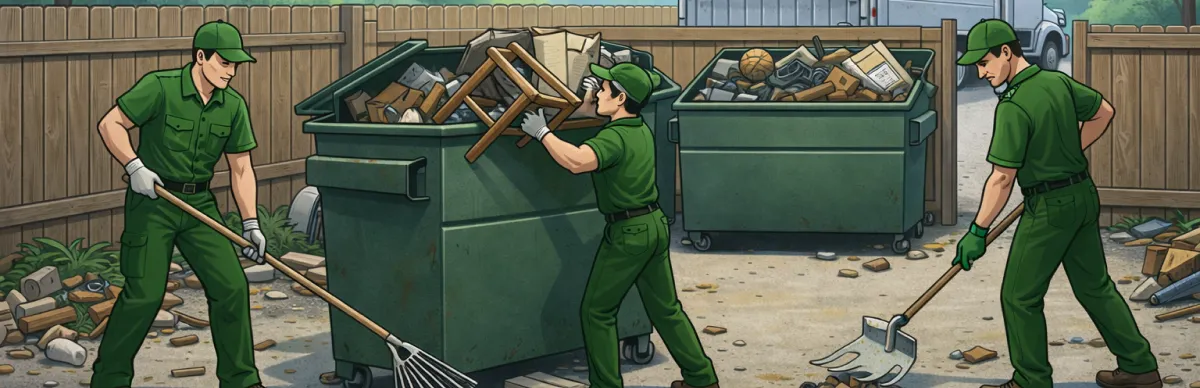
Fast and Reliable Service
Eco-Friendly Disposal Solutions
Flexible Scheduling Options
Experienced Junk Removal Team
Cost-Effective Pricing
Comprehensive Cleanout Services
Coordinating Restaurant Equipment Disposal with Woodstock's Public Works Department
Restaurant closures, renovations, and equipment upgrades in Woodstock generate substantial volumes of commercial waste requiring proper coordination with municipal authorities. The Woodstock Public Works Department oversees infrastructure and waste-related services that affect how commercial establishments handle large-scale junk removal. Restaurant owners must ensure that all disposed materials comply with local ordinances and do not obstruct public rights-of-way during the removal process. Key considerations for restaurant junk removal coordination include:
- Commercial hauler licensing — any waste removal company operating within Woodstock must maintain valid business licensing and appropriate insurance coverage
- Right-of-way clearance — removal trucks parked on public streets or blocking sidewalks may require advance coordination with the city
- Scheduling restrictions — noise ordinances in Woodstock may limit heavy removal operations during early morning or late evening hours
- Load separation — metals, electronics, and hazardous materials from restaurant operations must be sorted and handled through appropriate disposal channels
Woodstock Public Works Department
12453 Highway 92, Woodstock, GA 30188
Phone: (770) 592-6000
Official Website: Woodstock Public Works Department
Georgia's Solid Waste Management Act and Restaurant Waste Compliance
Restaurant junk removal in Woodstock must comply with the Georgia Comprehensive Solid Waste Management Act (O.C.G.A. § 12-8-20) administered by the Georgia Environmental Protection Division (GA EPD). This state law establishes the regulatory framework governing how commercial solid waste — including restaurant fixtures, kitchen equipment, and renovation debris — is transported, processed, and disposed of at permitted facilities. Restaurant operators and junk removal providers should be aware of the following state-level requirements:
- Permitted disposal facilities — all restaurant waste must be delivered to facilities holding valid solid waste handling permits issued by GA EPD
- Manifest and tracking requirements — commercial haulers transporting large volumes of restaurant waste may need to maintain load documentation
- Prohibited materials — hazardous substances such as cleaning chemicals, refrigerants, used cooking oil in bulk, and fluorescent lighting cannot be disposed of in standard solid waste streams
- Tire and electronics bans — Georgia prohibits whole tires from landfill disposal, and electronic components from restaurant point-of-sale systems require separate recycling
Restaurants undergoing full cleanouts should verify that their removal provider delivers waste exclusively to GA EPD-permitted landfills or recycling facilities.
Hazardous Material Handling Requirements for Woodstock Restaurant Cleanouts
Restaurant environments contain numerous materials classified as hazardous waste under federal and state regulations. Before any junk removal project begins, restaurant owners in Woodstock must identify and properly segregate these materials to avoid environmental violations and potential fines. The EPA's Resource Conservation and Recovery Act (RCRA) establishes baseline requirements for hazardous waste identification and disposal that apply to commercial establishments. Common hazardous materials found during restaurant junk removal include:
- Refrigerants — walk-in coolers, reach-in refrigerators, and ice machines contain refrigerants regulated under EPA Section 608; certified technicians must recover refrigerants before equipment disposal
- Fluorescent lighting — tube and compact fluorescent lamps contain mercury and must be recycled through hazardous waste channels, not placed in general waste
- Cleaning chemicals and solvents — commercial degreasers, oven cleaners, and sanitizing agents require disposal through Cherokee County's household hazardous waste collection events
- Used cooking oil — bulk quantities must be collected by licensed grease recyclers; improper disposal into storm drains violates Woodstock's stormwater management ordinances
- Fire suppression system chemicals — Ansul and similar kitchen fire suppression agents require specialized handling during system removal
Woodstock Stormwater & Environmental Management
12453 Highway 92, Woodstock, GA 30188
Phone: (770) 592-6000
Official Website: Woodstock Stormwater & Environmental Management
Building Permits and Code Compliance for Woodstock Restaurant Renovation Debris
Restaurant junk removal projects that involve structural modifications, demolition of interior walls, or removal of built-in equipment such as exhaust hoods and grease traps may require building permits from the Woodstock Building Division. The Woodstock Community Development Department oversees permitting, inspections, and code enforcement for commercial properties. Restaurant owners and their contractors should address the following before beginning removal work:
- Permit requirements — removal of fixed kitchen equipment, exhaust systems, or structural components typically requires a building or demolition permit; submit applications through the Building Division
- Asbestos surveys — restaurants in buildings constructed before 1980 should conduct asbestos surveys before disturbing floor tiles, pipe insulation, or ceiling materials
- Grease trap decommissioning — underground grease interceptors must be properly pumped, cleaned, and either removed or filled according to plumbing code requirements
- Fire code coordination — removal of fire suppression systems or exhaust hoods requires notification to the Woodstock Fire Department and may require inspection before and after work
Woodstock Building Division
12453 Highway 92, Woodstock, GA 30188
Phone: (770) 592-6000
Official Website: Woodstock Building Division
Recycling and Material Recovery Options for Restaurant Equipment in Woodstock
Diverting restaurant equipment and materials from landfills supports environmental stewardship and may reduce overall disposal costs. Woodstock-area restaurant operators should explore recycling and donation channels for items removed during cleanouts, renovations, or closures. Georgia does not currently have a mandatory commercial recycling ordinance, but responsible material recovery remains an important consideration. Recyclable and reusable materials commonly generated during restaurant junk removal include:
- Stainless steel equipment — commercial ovens, prep tables, sinks, and shelving units contain valuable scrap metal accepted by local metal recyclers
- Functional equipment — working refrigerators, smallwares, tables, and chairs may be donated to restaurant supply resellers or nonprofit organizations serving the food service industry
- Cardboard and packaging — large volumes of corrugated cardboard from equipment packaging should be separated and recycled
- Cooking oil — used fryer oil can be collected by licensed rendering companies for conversion into biodiesel or animal feed products
- Electronics — POS terminals, computers, and monitors should be recycled through certified e-waste recyclers rather than disposed of in general waste streams
Cherokee County operates recycling drop-off centers that accept certain materials; contact the county solid waste department for accepted items and hours.
What Neighborhoods Do We Serve Throughout Woodstock, GA?
- Downtown Woodstock: The city's historic commercial core features a dense concentration of restaurants along Main Street and surrounding blocks. Narrow street frontages and limited rear access may require advance coordination for truck staging, and removal work during business hours should account for pedestrian traffic and adjacent business operations.
- Towne Lake Area: This mixed-use corridor along Towne Lake Parkway includes numerous restaurant and retail establishments in shopping centers. Loading dock access and shared parking lot logistics require coordination with property management, and removal scheduling during off-peak hours minimizes disruption to neighboring tenants.
- Highway 92 Commercial Corridor: Strip malls and standalone restaurant buildings along Highway 92 generally offer accessible parking lots and rear service areas. High-traffic conditions during peak hours may affect truck access and loading operations.
- Ridgewalk Parkway District: Newer commercial developments in this area feature modern restaurant buildouts with standardized service access points. HOA and property management approval may be required before exterior removal work begins.
- Eagle Drive and Arnold Mill Road Area: Restaurants in this area range from freestanding buildings to multi-tenant commercial spaces. Varying lot configurations and proximity to residential neighborhoods require attention to noise ordinances and scheduling considerations.
- Rope Mill Road Corridor: Commercial establishments along this corridor serve the surrounding residential communities. Access considerations include shared driveways and limited staging areas for removal vehicles during restaurant operating hours.